


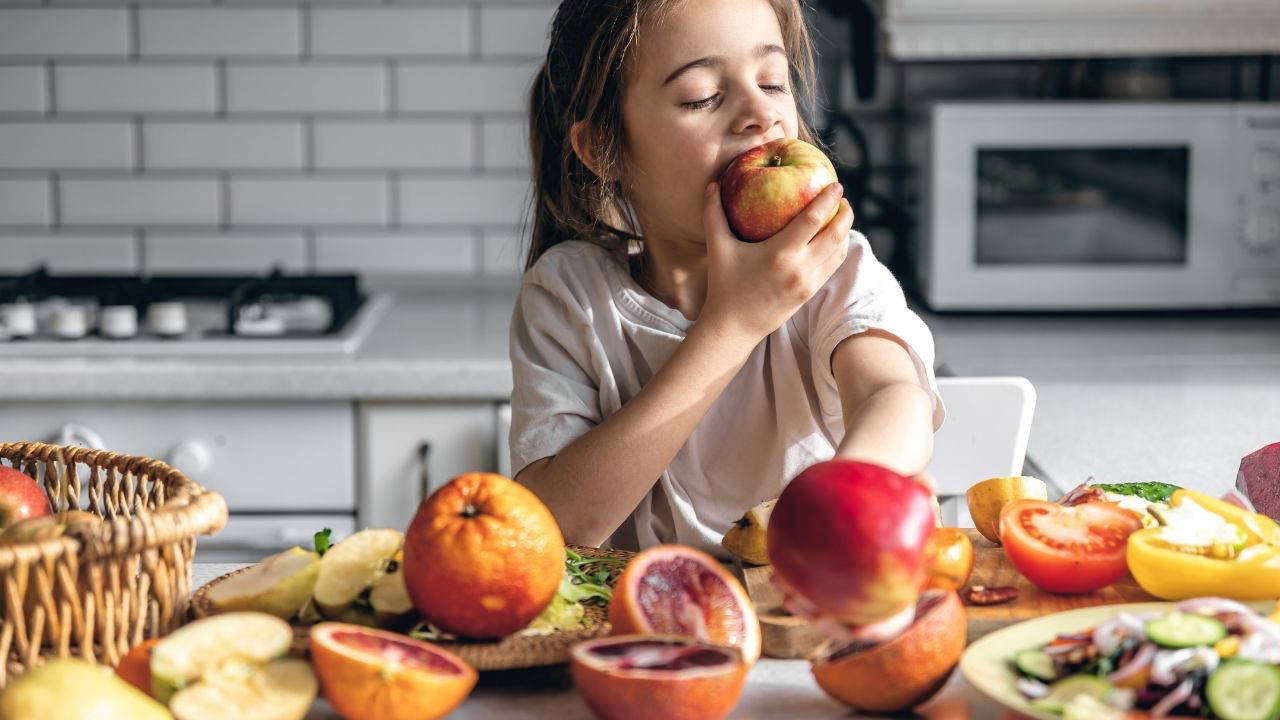
THE BENEFITS OF HEALTHY FOOD FOR KIDS
Peer pressure and TV commercials for junk food can make getting your children to eat well an uphill struggle. But switching to a healthy diet can have a profound effect on your child’s health, helping them to maintain a healthy weight, stabilize their moods, sharpen their minds, and avoid a variety of health problems. A healthy diet can also have a profound effect on your child’s sense of mental and emotional wellbeing, helping to prevent conditions such as depression, anxiety, bipolar disorder, schizophrenia, and ADHD.
Eating well supports your child’s healthy growth and development into adulthood and may even play a role in lowering their risk of suicide. If your child has already been diagnosed with a mental health problem, a healthy diet can help them to manage the symptoms and regain control of their health.
The sooner you introduce wholesome, nutritious choices into a child’s diet, the easier they’ll be able to develop a healthy relationship with food that can last them a lifetime.
ENCOURAGE HEALTHY EATING HABITS
Whether they’re toddlers or in their teens, children develop a natural preference for the foods they enjoy the most. The challenge is to make nutritious choices appealing.
1. Focus on overall diet rather than specific foods.
Kids should be eating more whole, minimally processed food – food that is as close to its natural form as possible – and less packaged and processed food.
2. Be a role model.
The childhood impulse to imitate is strong so don’t ask your child to eat vegetables while you gorge on potato chips.
3. Disguise the taste of healthier foods.
Add vegetables to a beef stew, for example, or mash carrots up with mashed potato, or add a sweet dip to slices of apple.
4. Cook more meals at home.
Restaurant and takeout meals have more added sugar and unhealthy fat so cooking at home can have a huge impact on your kid’s health. If you make large batches, cooking just a few times can be enough to feed your family for the whole week.
5. Get kids involved in shopping for groceries and preparing meals.
You can teach them about different foods and how to read food labels.
6. Make healthy snacks available.
Keep plenty of fruit, vegetables, and healthy beverages (water, milk, pure fruit juice) on hand so kids avoid unhealthy snacks like soda, chips, and cookies.
7. Limit portion sizes.
Don’t insist your child cleans the plate, and never use food as a reward or bribe.
MAKE MEALTIMES ABOUT MORE THAN JUST HEALTHY FOOD
Making time to sit down as a family to eat a home-cooked meal not only sets a great example for kids about the importance of healthy food, it can bring a family together!
Regular family meals provide comfort. Knowing the whole family will sit down to eat dinner (or breakfast) together at approximately the same time every day can be very comforting for kids and enhance appetite.
Family meals offer opportunity to catch up on your kids’ daily lives. Gathering the family around a table for a meal is an ideal opportunity to talk and listen to your kids without the distraction of TV, phones, or computers.
Meal times enable you to “teach by example.” Eating together lets your kids see you eating healthy food while keeping your portions in check and limiting junk food.
Meal times let you monitor your kids’ eating habits. If your teen’s choices are less than ideal, the best way to make changes is to emphasize short-term consequences of a poor diet, such as physical appearance or athletic ability.
LIMIT SUGAR AND REFINED CARBS IN YOUR CHILD’S DIET
Simple or refined carbohydrates are sugars and refined grains that have been stripped of all bran, fiber, and nutrients – such as white bread, pizza dough, pasta, pastries, white flour, white rice, and many breakfast cereals. They cause dangerous spikes in blood sugar and fluctuations in mood and energy. Complex carbs, on the other hand, are usually high in nutrients and fiber and are digested slowly, providing longer-lasting energy. They include whole wheat or multigrain bread, high-fiber cereals, brown rice, beans, nuts, fruit, and non-starchy vegetables.
A child’s body gets all the sugar it needs from what is naturally occurring in food already. Added sugar just means a lot of empty calories that contribute to hyperactivity, mood disorders, and increase the risk for obesity, type 2 diabetes, and even suicidal behaviors in teenagers.
BE SMART ABOUT FAT
Kids need healthy fats – and plenty of them – in their diet. Healthy fat helps kids fill up (and stay full), concentrate better, and improves their mood.
Healthy fats:
• Monounsaturated fats, from olive oil, avocados, nuts (like almonds, hazelnuts, and pecans), and seeds (such as pumpkin, sesame).
• Polyunsaturated fats, including Omega-3 fatty acids, found in fatty fish, such as salmon, herring, mackerel, anchovies, and sardines, or in flaxseed and walnuts.
Unhealthy fats:
• Trans fats, are found in vegetable shortenings, some margarines, crackers, candies, cookies, snack foods, fried foods, baked goods, and other processed foods made with “partially hydrogenated” vegetable oils (even if they claim to be trans-fat-free). No amount of trans fat is safe.
Brought to you by HelpGuide.com
 Discover Our Instagram